Myaling
Chinese Yam "Tiegun" from Henan Mineral Lands
Chinese Yam "Tiegun" from Henan Mineral Lands
Impossible de charger la disponibilité du service de retrait
An exceptional yam from the historic Huai Shan terroir
Our Huai Shan comes from Wenxian, in Henan province — the historic birthplace of the famous "Four Huai Medicinal Plants."
Cultivated in the alluvial mineral soils of the Yellow River, called lütu soils, this traditional "Tiegun" yam variety is recognized in China as one of the noblest qualities of Huai Shan.
These soils, rich in minerals and trace elements (selenium, zinc, calcium, etc.), give rise to a yam that is naturally denser, more nutritious, and more concentrated.
Origin & premium quality
Origin
- Wenxian — historic Huaiqing region (Henan)
- Protected origin zone in China
- Traditional cultivation in "lütu" mineral soil
Cultivation method
- 10-year crop rotation
- Harvest after the first frosts
- Cultivation using traditional agricultural methods
Artisanal selection
- Only the most precious part of the yam is kept
- 10 kg of fresh yam to produce 1 kg of dried slices
Traditional manufacturing
Natural preparation
- Harvest after the first frosts
- Manual peeling
- Cutting into thick slices
- Natural drying in the sun or at low temperature
No compromise
- Sulphur-free
- No additives
- No colourings
- No bleaching agents
The light ivory to pale yellow colour is the sign of authentic natural drying.
Characteristics of a true traditional Huai Shan
Appearance
- Thick oval or round slices
- Dense and compact texture
- Naturally irregular surface
- Subtle natural colour variations
Texture
- Rich in natural starch
- High density
- Not very brittle
- Holds perfectly during cooking
Aroma & taste
- Sweet and delicate plant aroma
- Naturally slightly sweet flavour
- Melting and slightly mucilaginous texture after cooking
Traditional benefits of Huai Shan
In Chinese tradition, Huai Shan has been appreciated for centuries as a daily supportive food, particularly to accompany digestive balance and general vitality.
Traditionally used to:
- Support the digestive sphere
- Nourish the spleen and stomach according to Chinese tradition
- Provide gentle and stable energy
- Accompany periods of fatigue
- Help maintain good digestive comfort
- Support the general balance of the body
Why enjoy it daily?
Traditional Huai Shan is particularly appreciated when one experiences:
- sensitive digestion,
- bloating after meals,
- a feeling of heaviness,
- persistent fatigue,
- a lack of energy,
- a dull complexion,
- or a need for gentle and natural digestive comfort.
What differentiates it from an industrial product
| Traditional Huai Shan | Industrial product |
|---|---|
| Naturally dried | Often sulphur-fumigated |
| Natural ivory colour | Artificially bright white |
| Sweet plant aroma | More aggressive odour |
| No additives | Possible preservation treatments |
| Dense and rich texture | Drier and poorer texture |
Preparation tips
In gentle decoction
Cook a few slices in simmering water for 20 to 40 minutes.
In cooking
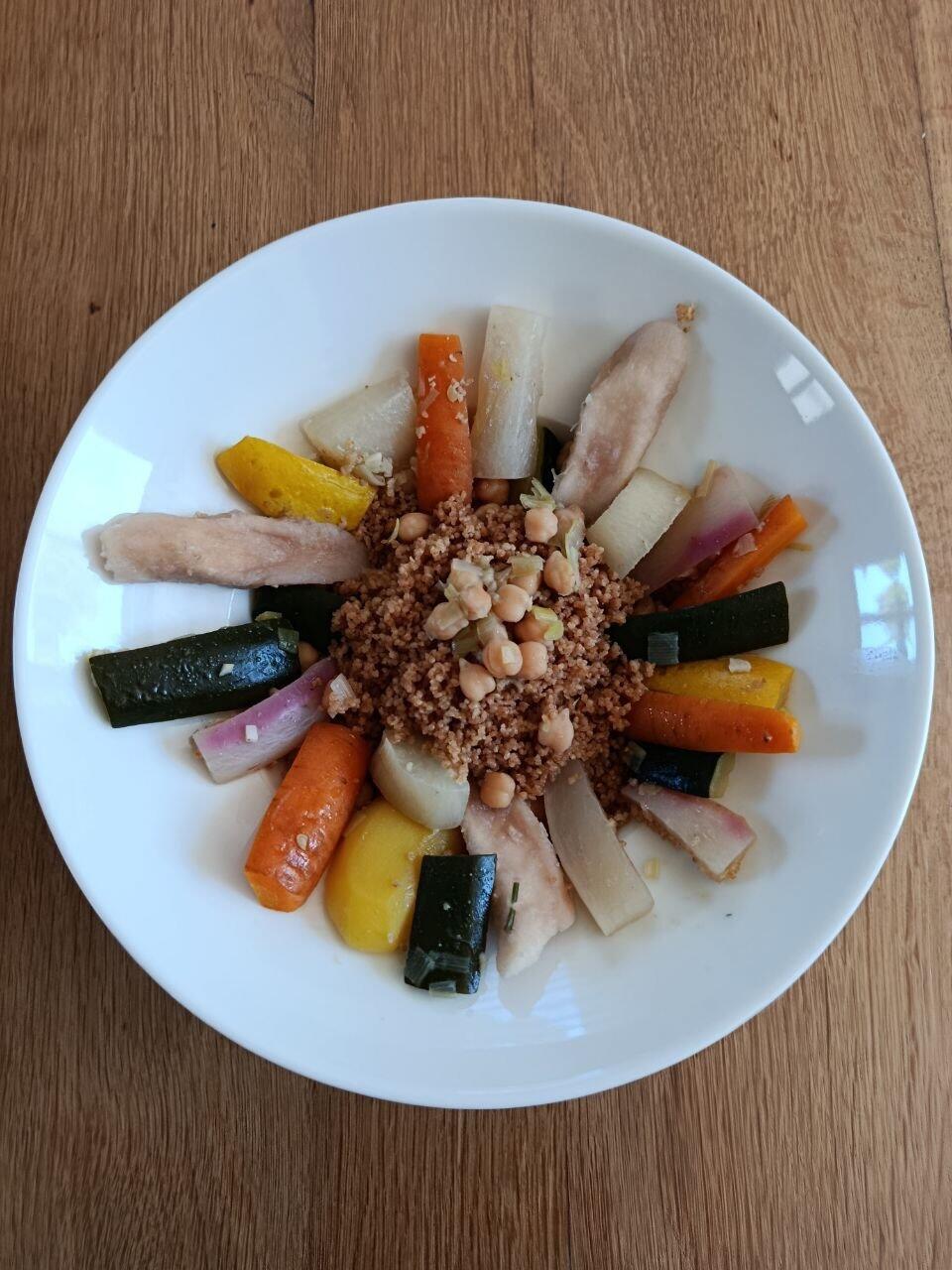
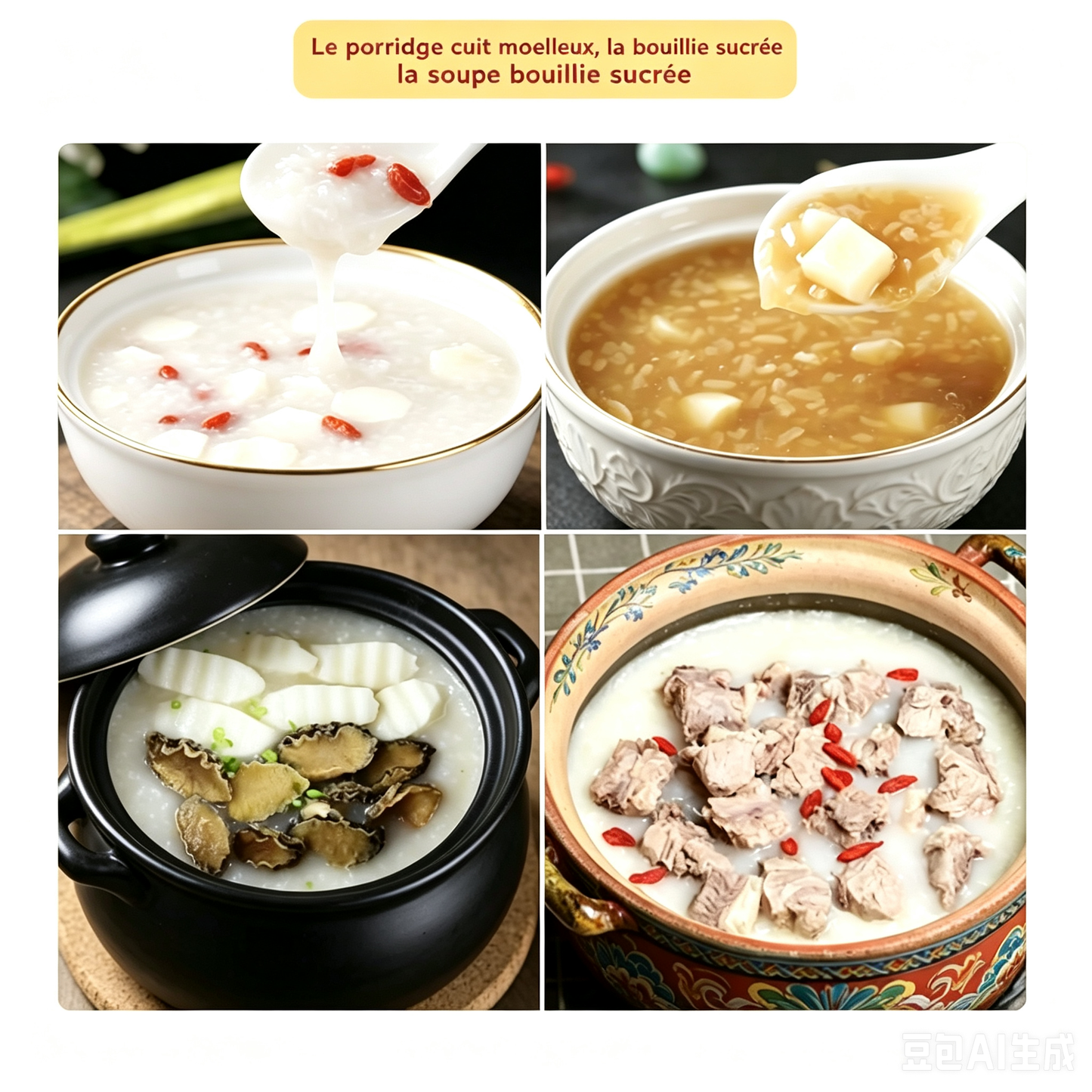
To be incorporated into:
- soups,
- broths,
- porridges,
- herbal teas,
- wellness preparations.
Tip
Do not soak before cooking.
Add directly to hot water to preserve the tender and melting texture.
Authenticity above all else
When you open the bag, the light natural fragrance of Huai Shan mixed with the smell of sun-drying reveals all the simplicity of a product that has remained true to its original nature.
A traditional, pure, and timeless ingredient, intended to accompany daily life with gentleness and balance.
Good to know
True traditional Huai Shan slices may have slight dark brown or greyish spots.
This is a natural phenomenon related to:
- the minerals in the cultivated soil,
- natural traces of rootlets,
- or slight plant oxidation after cutting.
These marks are normal and indicate an authentic product, unbleached and chemically untreated.
Our slices:
- are not sulphur-fumigated,
- contain no additives,
- and retain their original natural appearance.
- May - September refrigerator required Refrigerated storage